Rooms That Shape-Shift: Living Better with Modular Furniture

Today we explore modular furniture systems for flexible, reconfigurable living spaces, showing how swappable components, quick-connect hardware, and resilient lightweight materials let small studios, family homes, and hybrid offices change purpose in minutes. We will blend practical guidance with real stories, simple planning frameworks, and budget-friendly strategies you can adapt immediately. Share your square footage, layout frustrations, or proud wins in the comments, and subscribe for future deep dives. Together we will make every meter work harder, look better, and remain delightfully easy to reinvent.

Design Principles That Make Change Effortless

The Power of Standardized Modules

Standard widths, depths, and heights allow shelves to become desks, benches to become beds, and storage to bridge awkward corners without custom chaos. A simple grid reduces decision fatigue and keeps upgrades compatible across years. When every part understands the others, your room speaks the same language, helping quick swaps feel obvious. Start by defining two or three repeating dimensions, then choose vendors or plans that honor them relentlessly.

Connectors: From Cam-Locks to Magnetic Latches

Tool-free connectors shrink reconfiguration time dramatically, but they must resist wobble, creep, and accidental release. Cam-locks, spring pins, and rare-earth magnets each bring a different balance of strength, precision, and speed. Combine positive mechanical engagement with gentle alignment aids, and label orientations to prevent upside-down surprises. Test with your heaviest use case, not your lightest, and choose finishes that tolerate repeated insertions without scarring.

The Sweet Spot Between Rigidity and Play

Too rigid, and furniture refuses to adapt; too loose, and everything feels temporary. The magic lives between: frames that carry load confidently, panels that float enough to align, and feet that level on imperfect floors. Aim for components that signal movement only when asked, then lock decisively. This balance invites experimentation, reduces rattles, and keeps each change feeling like a deliberate, joyful decision instead of a compromise.

Space Scenarios: Studio, Family, and Hybrid Work

Micro-Studio Morning-to-Midnight Routine

Wake with a wall bed that lifts to reveal a desk, then rotate a storage tower to expose breakfast shelves. At lunch, a drop-leaf table unfolds from the same unit, while rolling ottomans become seats. Evening brings a projector shelf that swings from the bookcase, and acoustic panels double as art. With two handles, four casters, and twenty seconds, the room slips from bright productivity to cinema comfort, leaving cords hidden and floors clear.

Growing Family, Shrinking Clutter

Stackable bins form a low play bench by day, then dock under a sofa platform by night, reclaiming floor space for adults. A modular dining table splits into homework stations with built-in charging and pencil trays. As toys evolve, swap only the fronts and dividers, not entire units, saving money and sanity. Folding privacy screens park behind the fridge, ready for a quick reading nook. Every change teaches kids tidiness as a game, not a chore.

Hybrid Work Without a Spare Room

A slim cabinet opens to a quiet workstation, complete with task light, acoustic felt, and cable caddy. During off-hours, the door hides screens and clutter, restoring visual calm. A height-flex bench slides under, becoming a coffee table when closed. Place anchor modules on soft glides so Monday’s stand-up meeting morphs into Friday’s dinner in under five minutes. Neighbors will wonder how you squeezed an office in without making the living room feel smaller.

Materials and Sustainability Choices That Matter
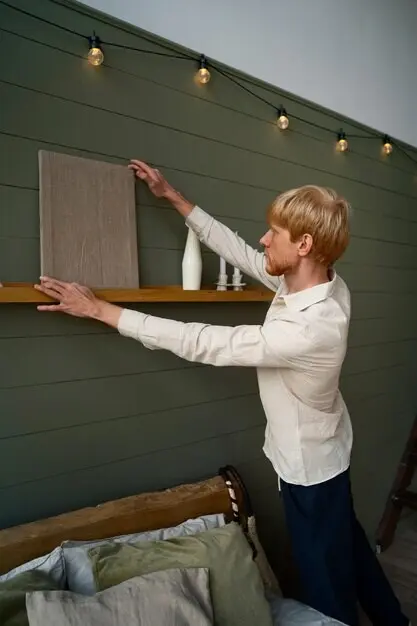
Durability begins with honest materials and thoughtful end-of-life planning. Recycled aluminum frames resist corrosion and travel light; engineered timber with robust veneers welcomes refinishing; bio-based foams and removable textiles simplify renewal. Favor reversible fasteners over glues, finishes that survive touch-ups, and panels sized for efficient sheet yields. Ask vendors about spare parts, repair guides, and take-back programs. Longer lifespans, smarter maintenance, and graceful disassembly make reconfiguration kinder to your wallet and the planet.

Setup, Reconfiguration, and Maintenance Made Human

Great systems respect tired hands, busy weekends, and low patience thresholds. Clear labeling, asymmetric connectors that only fit one way, and pre-routed cable paths reduce mistakes. Protect floors with felt, tame squeaks with dry lubricants, and keep a small kit of spare pins, caps, and sliders. Plan a simple cadence—seasonal, monthly, or event-based—for refreshing layouts. Treat reconfiguration as an enjoyable ritual that resets energy, invites guests, and reminds you the space belongs to your changing life.

Technology That Disappears Into Furniture

Integrating power, data, light, and sensors turns adaptable layouts into calm, cable-free experiences. Route cords through hollow frames, add flush outlets where tasks actually happen, and anchor routers high for even coverage. Layer human-scale tech—soft motion lighting, gentle acoustic panels, height control—without shouting screens. Protect privacy with hardware switches and smart-but-optional automations. Technology should vanish into materials until you need it, then reappear exactly where hands, eyes, and posture benefit most.

Hidden Power and Cable Sanity

Use rear channels, hinged skirts, and magnet-clipped looms to keep power invisible yet accessible. Consolidate bricks on ventilated trays, label both ends, and pick braided cords that survive reroutes. Place outlets at knee height inside cabinets to avoid floor clutter. Choose USB-C power delivery where possible, and leave one sacrificial extension free for guests. When cables obey, reconfiguration stops feeling like a tech tax and starts feeling like a clean new canvas.

Motion, Lighting, and Acoustics That Adapt
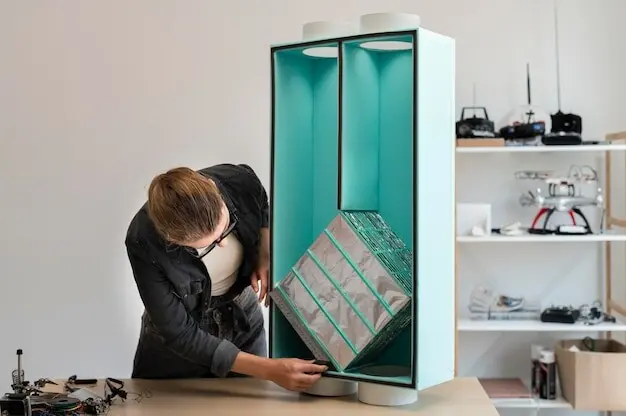
Pair sit-stand surfaces with presets for reading, typing, and sketching. Add edge-lit panels that pivot from task brightness to evening warmth, and mobile baffles that hush calls without building walls. Motion sensors can cue gentle pathways after dark, while manual overrides keep you in charge. Keep all adjustments quiet, slow, and human-scaled so changes feel like invitations, not alarms. Comfort multiplies when light, sound, and height shift as gracefully as furniture does.

A Renter’s 22-Minute Transformation

A graduate student in a 23-square-meter studio timed weeknight flips: bed up, desk down, ottomans rolled, leaves unfolded. With color-coded pins, the entire swap averaged twenty-two minutes, shrinking to fourteen by week three. Landlord-friendly felt casters spared the floors, and every change stayed tool-free. The reward was a real dinner with friends that did not smell like spreadsheets. Flexibility, measured with a timer, became a surprisingly addictive hobby.

A Host’s Multi-Use Living Room

A frequent host used nesting tables, a modular sofa with clip-on backs, and a rolling bar that docks beneath a shelf. Game night, tasting menu, movie marathon—each setup emerged from the same pieces. Spill-resistant textiles saved cleanup, and a projector shroud kept cables invisible. Guests loved helping reconfigure, turning setup into icebreaker. The room felt bigger not by square footage, but by the number of convincing identities it wore without strain.
Temixarinarivexozavopexi
Privacy Overview

This website uses cookies so that we can provide you with the best user experience possible. Cookie information is stored in your browser and performs functions such as recognising you when you return to our website and helping our team to understand which sections of the website you find most interesting and useful.